
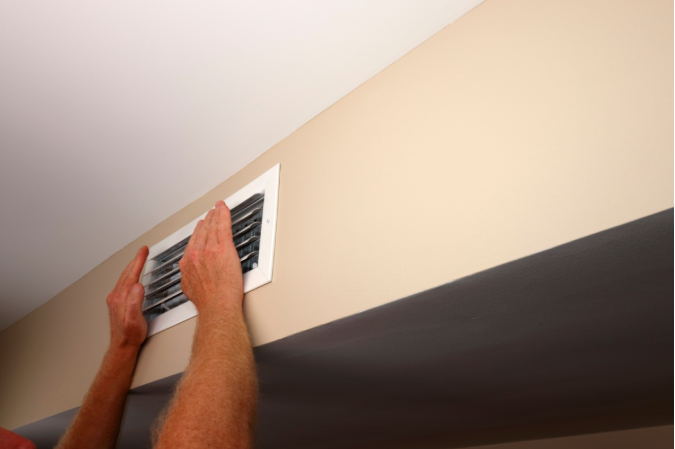
Turning up the heat and feeling very little air come out of the vents can be confusing and frustrating. Many homeowners expect warm air to circulate quickly once the furnace starts running, so weak airflow often raises concerns right away.
Airflow plays a significant role in how comfortable your home feels during winter. When air cannot move properly through the system, some rooms stay cold, others warm unevenly, and the furnace runs longer than expected. Understanding what affects airflow helps you recognize early warning signs and decide when professional help makes sense.
How Furnace Airflow Works in a Home
A furnace depends on consistent air movement to heat your home evenly. Air is drawn into the system through return vents, warmed inside the furnace, and then pushed through ductwork into each room. This cycle repeats throughout the day to maintain a steady indoor temperature.
When airflow slows down, warm air struggles to reach its destination. The furnace may still run, but comfort drops because heat distribution becomes uneven. Airflow problems usually point to an obstruction, mechanical issue, or design concern somewhere in the system.
Dirty Air Filters Limit Circulation
Air filters collect dust, pet hair, and debris to keep the system clean. Over time, those particles build up and restrict airflow. During winter, furnaces operate more often, which causes filters to clog faster than many homeowners expect.
A restricted filter reduces the amount of air that can pass through the system. This makes vents feel weak and forces the furnace to work harder. Replacing filters on a regular schedule helps restore proper airflow and reduces strain on the system.
Blocked Supply or Return Vents
Vents need clear space to allow air to circulate. Furniture, rugs, storage bins, and curtains sometimes block vents without being noticed. Even partial blockages can reduce airflow in an entire section of the house.
Supply vents deliver warm air into rooms, while return vents pull air back into the furnace. If either type is blocked, air movement slows and pressure builds inside the duct system. A quick check of visible vents can reveal issues that are easy to correct.
Ductwork Issues Inside the Home
Ductwork carries heated air throughout the house. If ducts have leaks, loose connections, or crushed sections, air escapes before it reaches living spaces. This results in weak airflow at vents and uneven heating across the home.
These problems often remain hidden because ducts run through walls, attics, or crawl spaces. Common signs include rooms that never warm up properly or noticeable dust near vents. Even small duct leaks can significantly reduce airflow.
Blower Motor Problems
The blower motor pushes warm air through the duct system. When it does not operate at full capacity, airflow drops throughout the home. Wear and tear, electrical issues, or dirt buildup can affect how well the blower performs.
In some cases, the blower still runs but produces less force, which makes the problem harder to identify. Diagnosing blower issues usually requires a trained technician with the right tools.
Thermostat or Control Board Issues
Low airflow sometimes starts with control problems rather than mechanical ones. A malfunctioning thermostat or control board can prevent the blower from running correctly or at the proper speed.
This can lead to airflow that feels inconsistent or fades during a heating cycle. If the furnace turns on and off frequently or airflow changes without explanation, controls may need to be inspected.
Age-Related Wear on the Furnace
As furnaces get older, internal components lose efficiency. Motors weaken, internal surfaces collect debris, and airflow pathways become less effective. Heat production may still occur, but air movement suffers.
Homeowners often explore furnace repair at this stage to address worn parts and restore performance. If ongoing issues continue and efficiency drops, a furnace replacement may become a practical option for long-term comfort and reliability.
Duct Design and Home Layout Mismatches
Airflow problems can also stem from duct systems that were not designed for the current layout of the home. Renovations, room additions, or finished basements change how air needs to circulate.
Ducts that are too small or poorly routed restrict airflow and cause uneven temperatures. These design issues often require professional evaluation to correct properly.
Overheating and Safety Shutoffs
Restricted airflow can cause furnace components to overheat. When safety sensors detect excessive heat, the system may shut down to prevent damage. This often results in weak airflow or warm air that stops suddenly.
Repeated overheating places stress on critical parts and increases the risk of system failure. Addressing airflow restrictions early helps prevent these safety-related interruptions.
When Airflow Problems Point to System Changes
If airflow issues continue after maintenance and repairs, the heating system itself may no longer match the home’s needs. Older HVAC systems may struggle to distribute air effectively, especially in homes with changing layouts.
Some homeowners consider alternatives such as heat pump installation for improved energy efficiency. A professional assessment helps determine which option fits the home best.
Why Low Airflow Should Be Addressed Promptly
Weak airflow affects comfort, energy use, and system longevity. The furnace runs longer to compensate, which increases utility costs and accelerates wear. Small issues can grow into major repairs if ignored.
Early attention keeps the system operating smoothly and helps avoid unexpected breakdowns during cold weather.
How Airflow Masters Heating & Cooling Helps Homeowners
Low airflow often involves several factors working together. Filters, ducts, equipment condition, and system design all play a role. A complete evaluation provides clear answers instead of guesswork.
Airflow Masters Heating & Cooling examines the entire system to identify restrictions and performance issues. Our technicians focus on practical solutions that restore consistent airflow and improve comfort throughout the home.
Take the Next Step Toward Better Comfort
If your furnace runs but the airflow feels weak, the issue deserves attention before it worsens. Addressing airflow concerns early helps maintain comfort and protects your heating system.
Contact Airflow Masters Heating & Cooling to schedule a professional inspection in Jacksonville, NC, or one of the nearby areas. Our team will help identify the cause of low airflow and recommend the right solution so your home stays warm and comfortable!